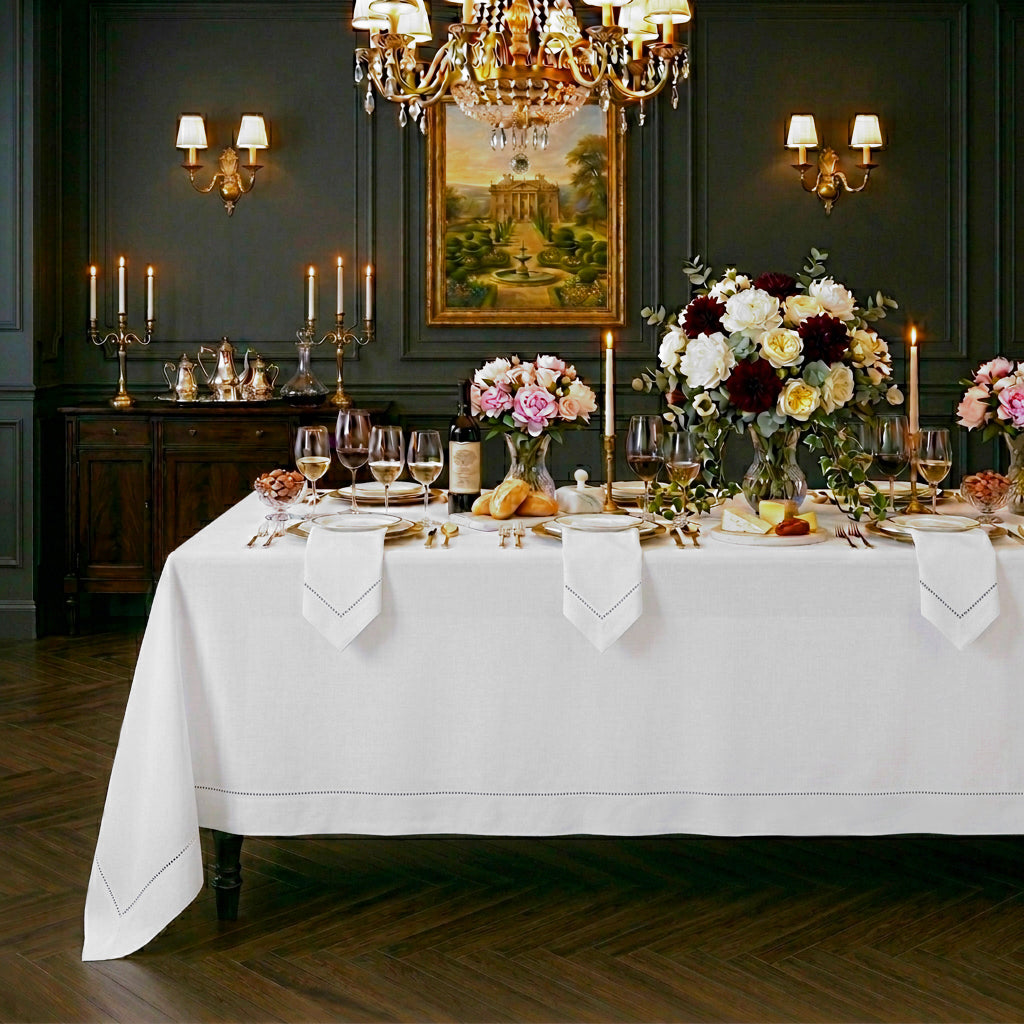
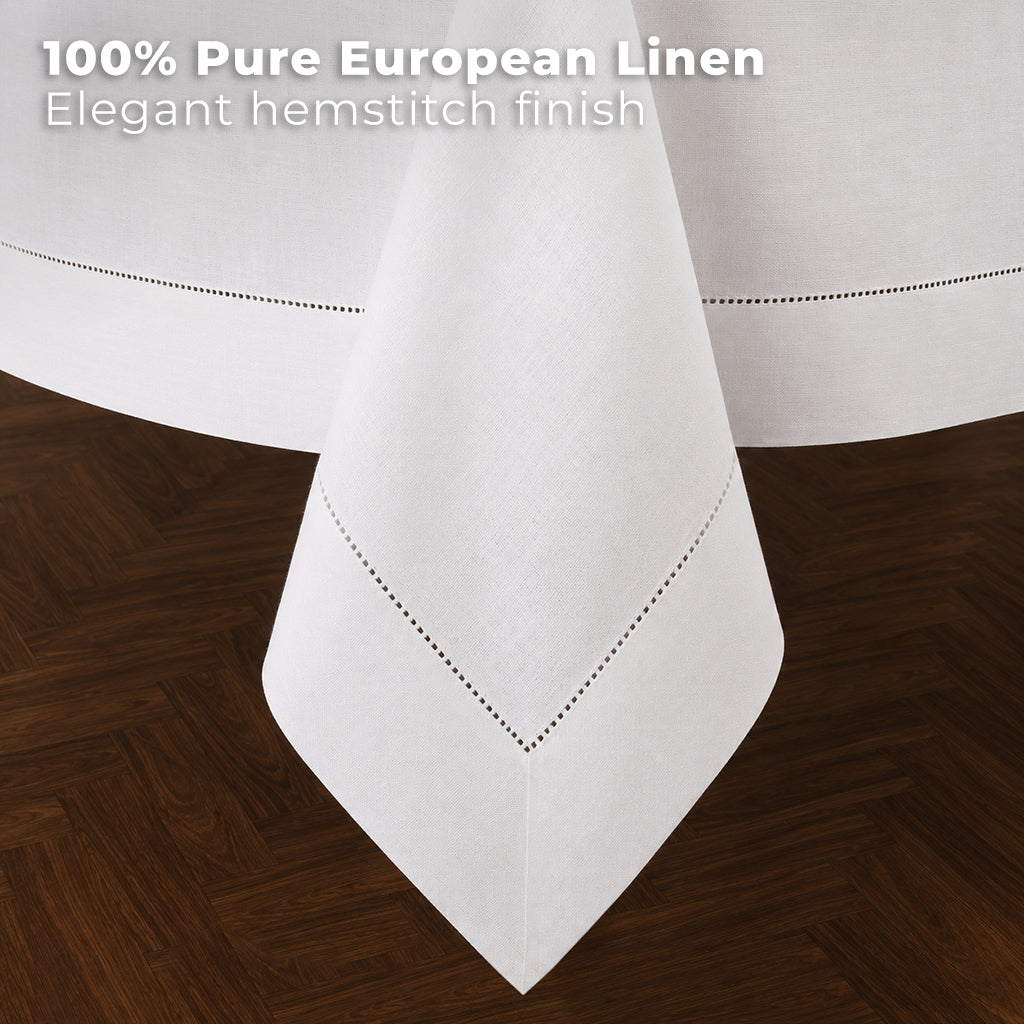
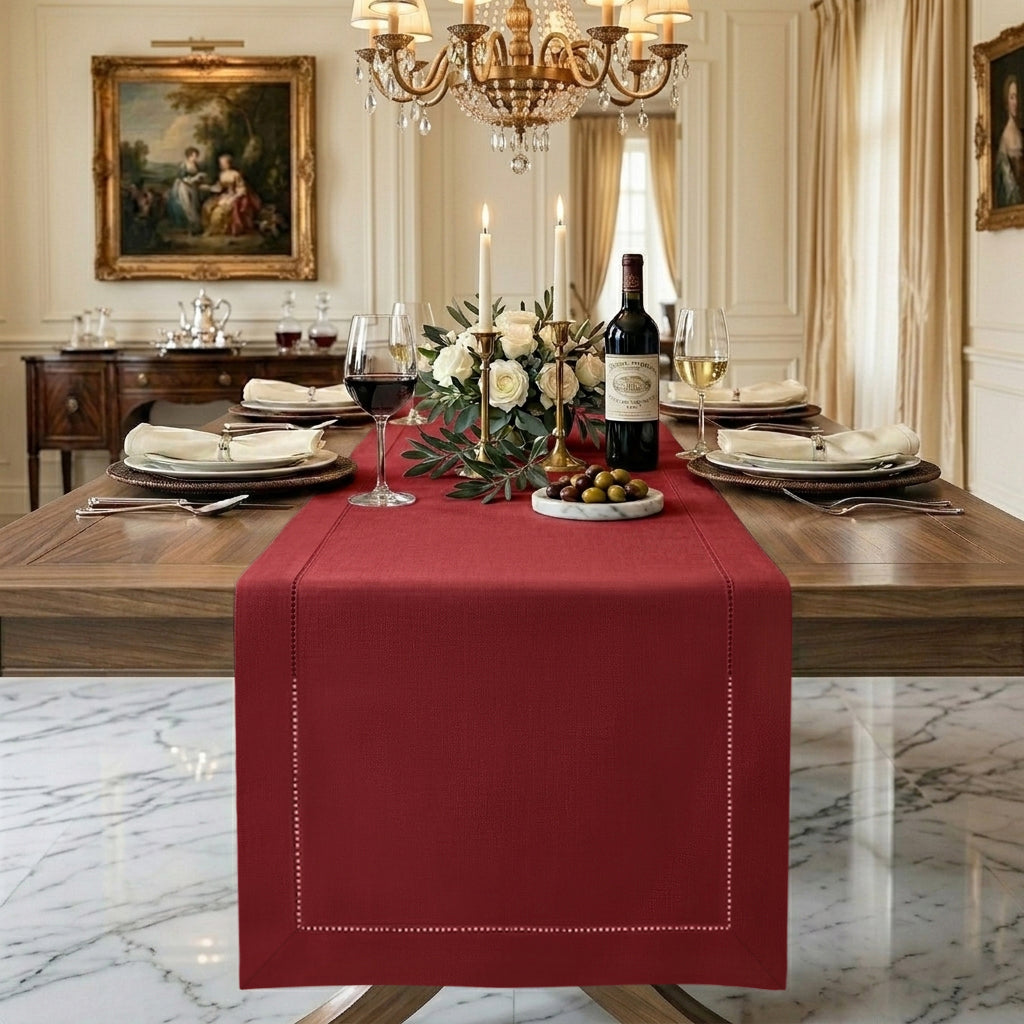
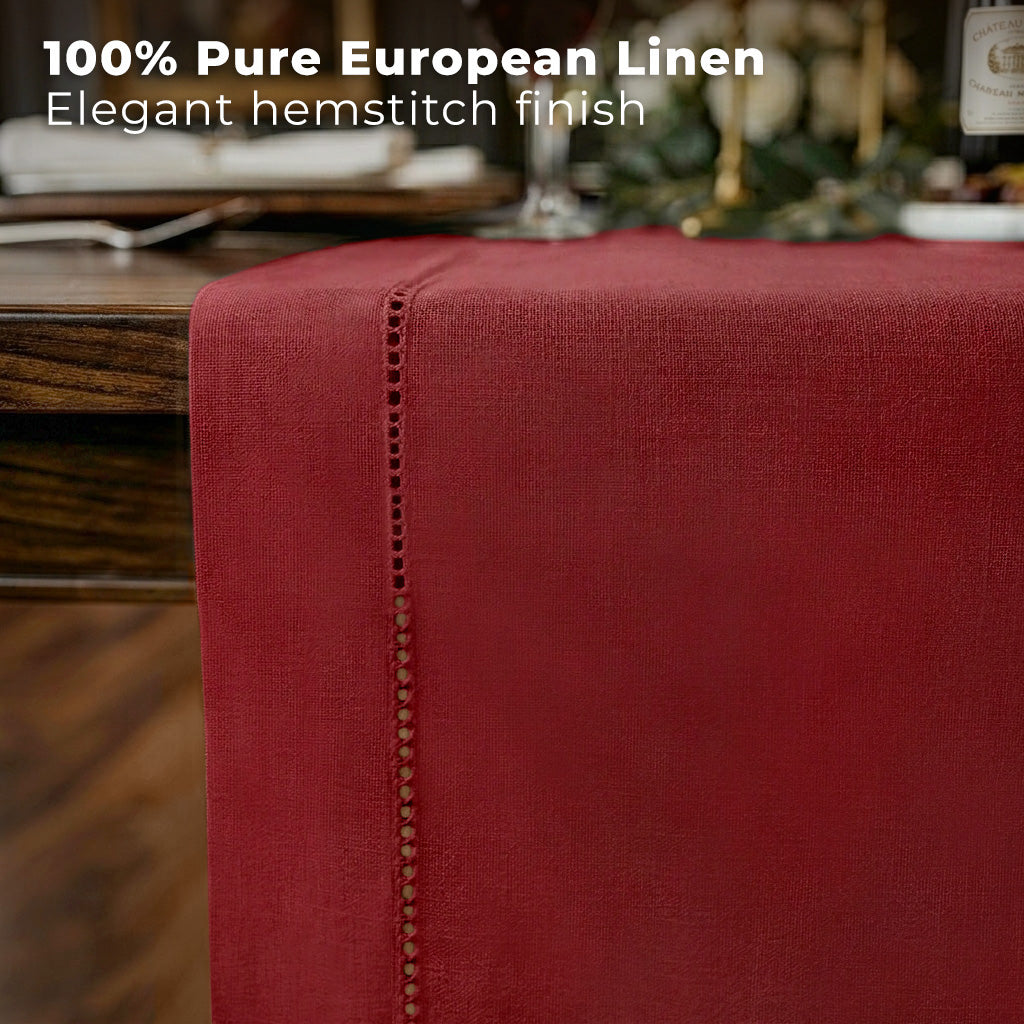
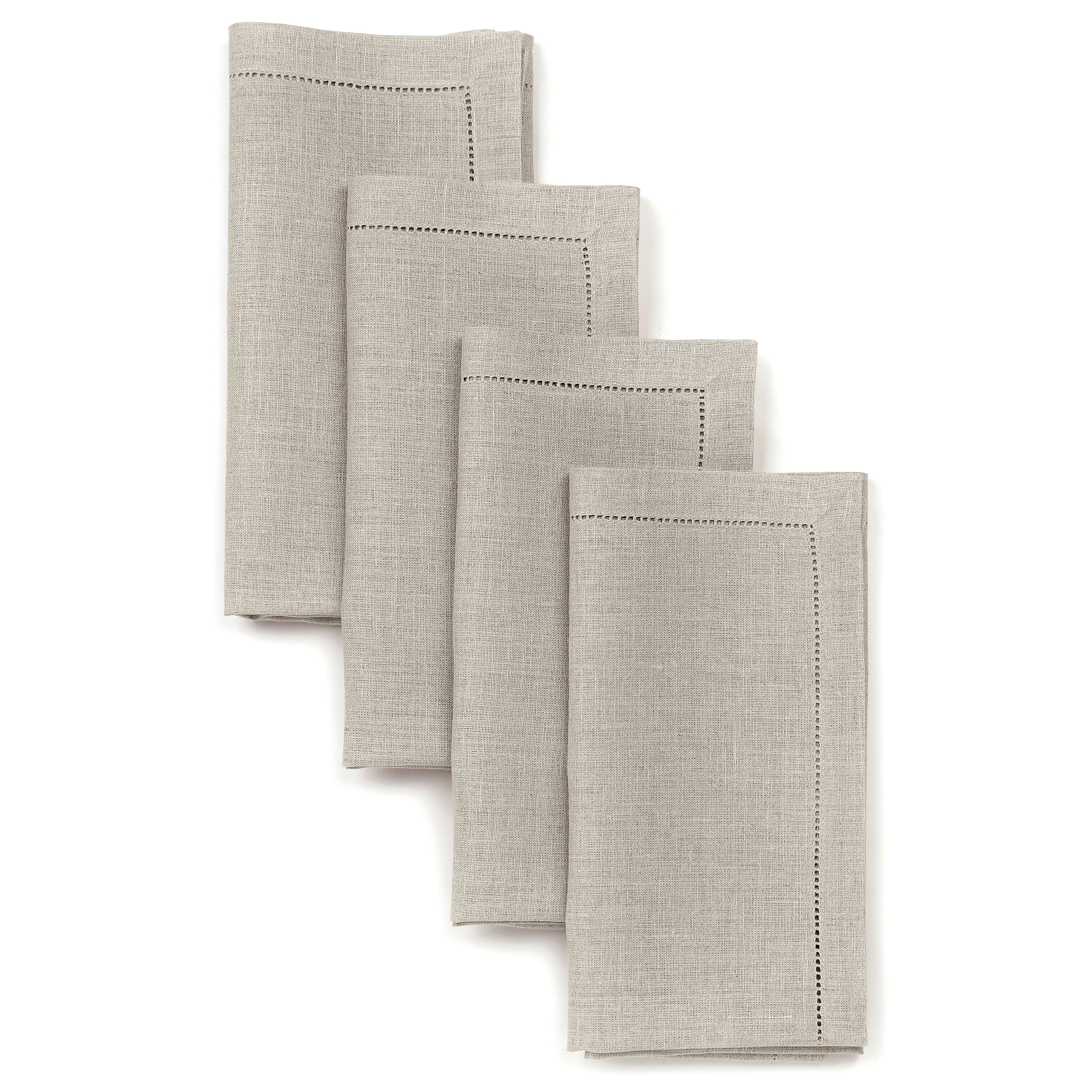
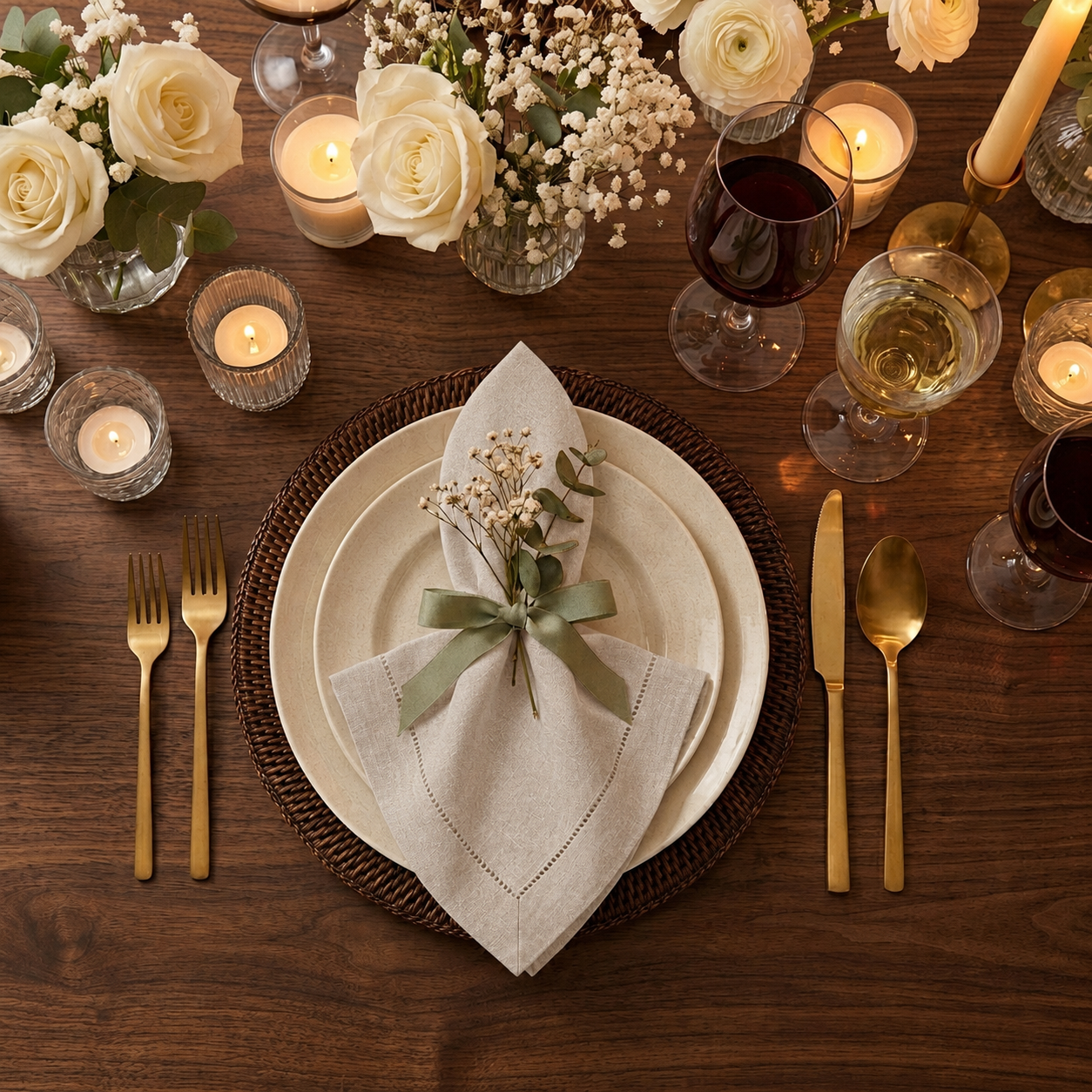
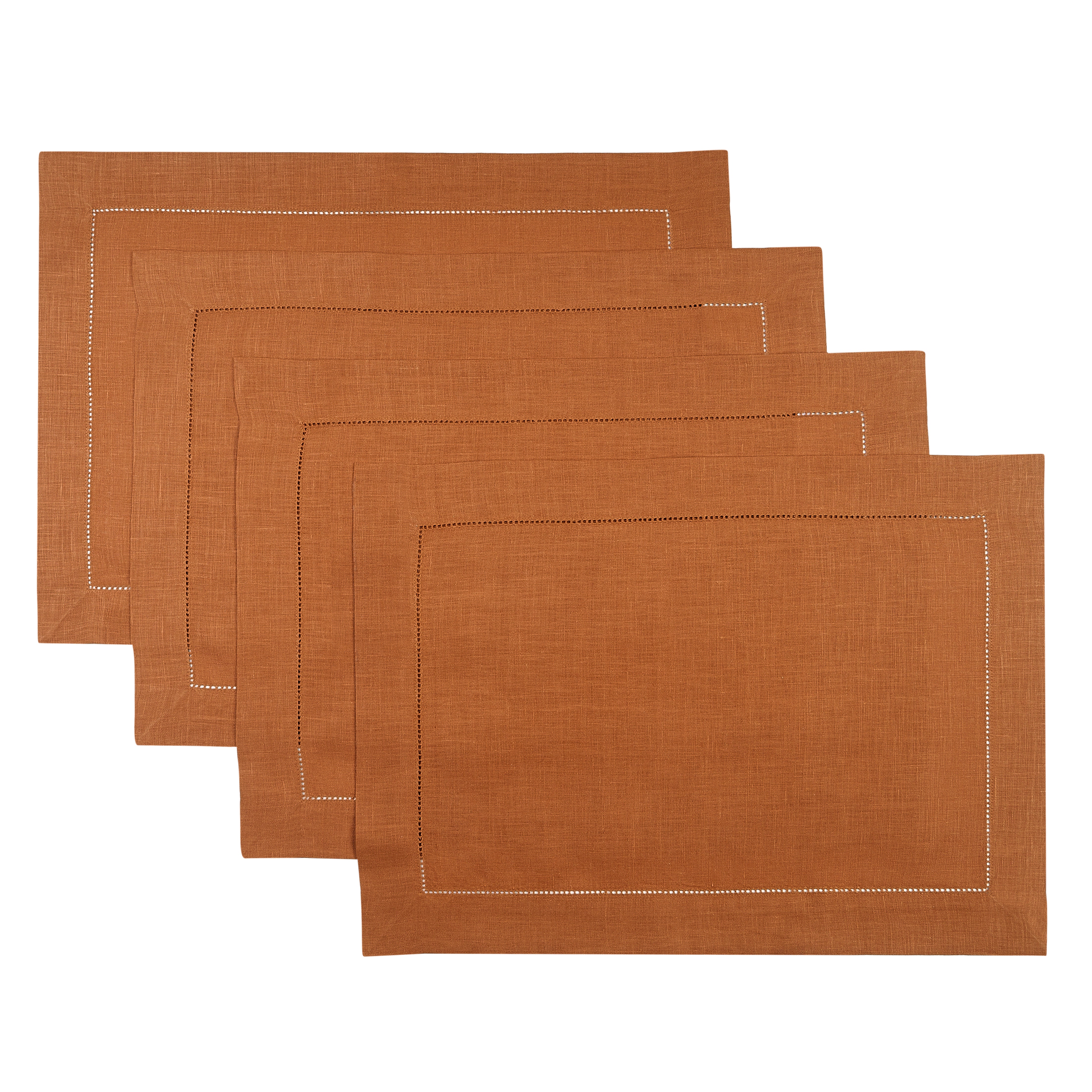
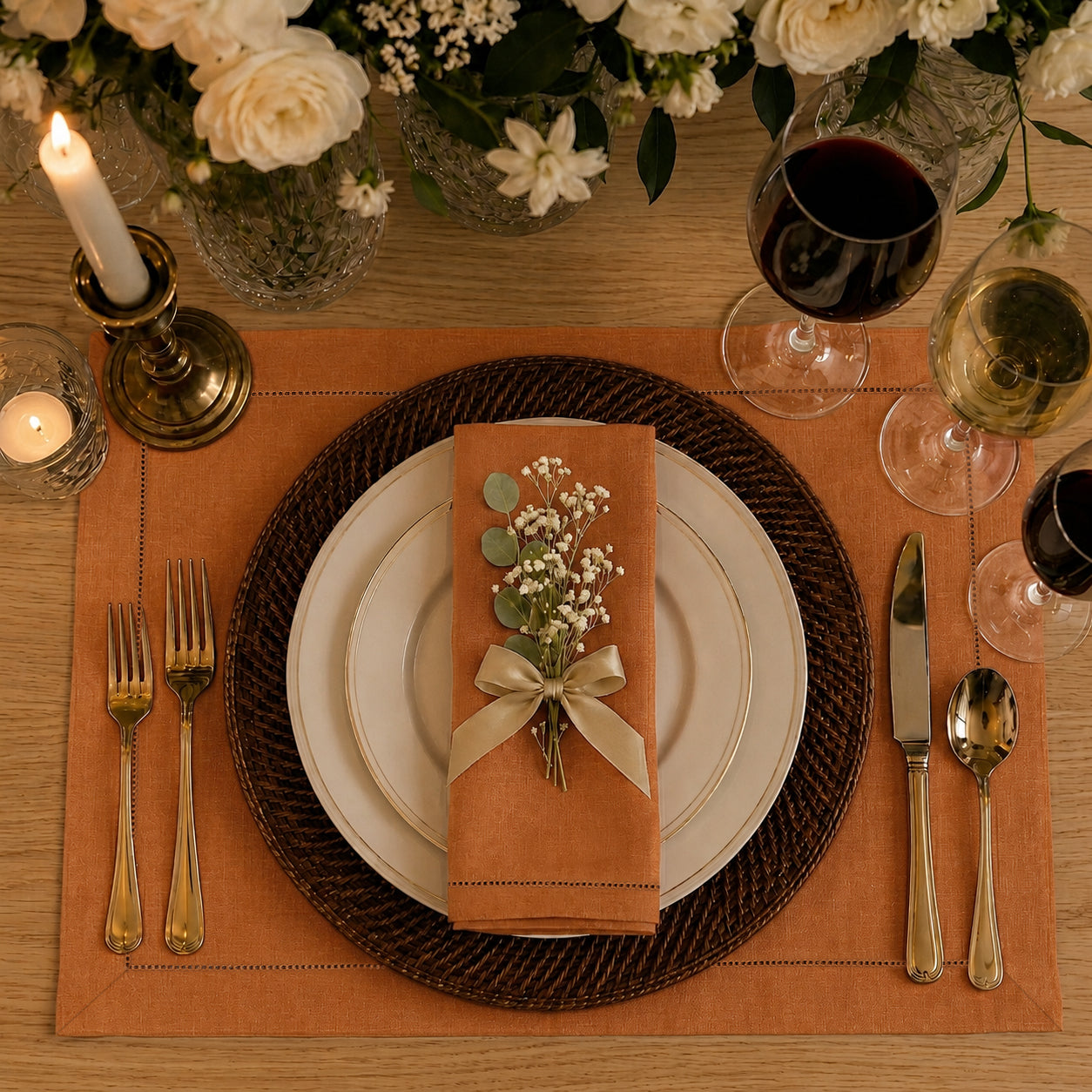


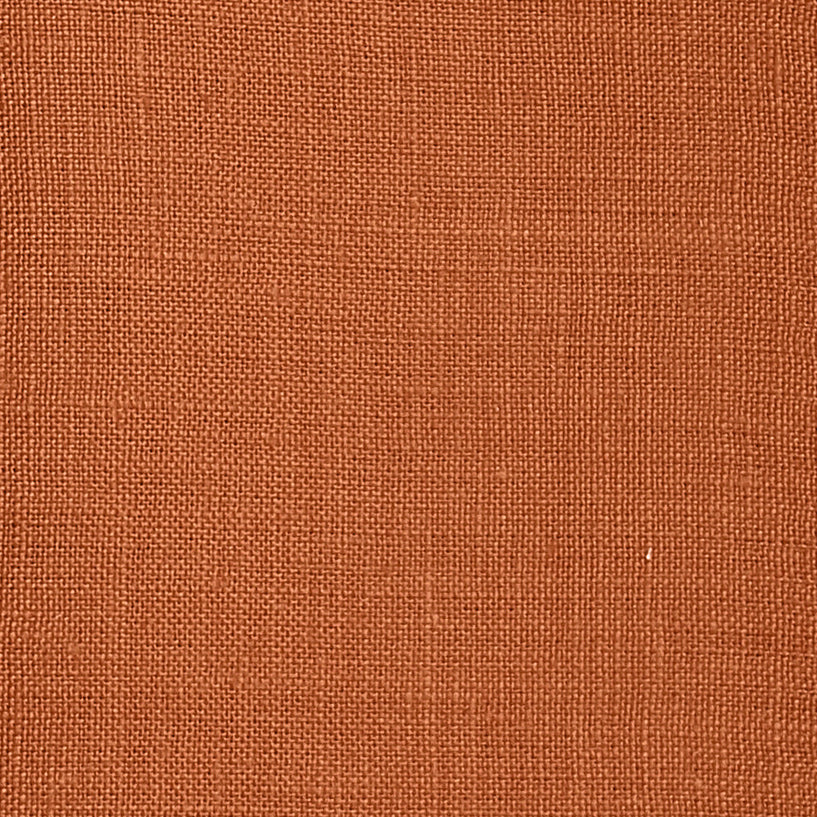
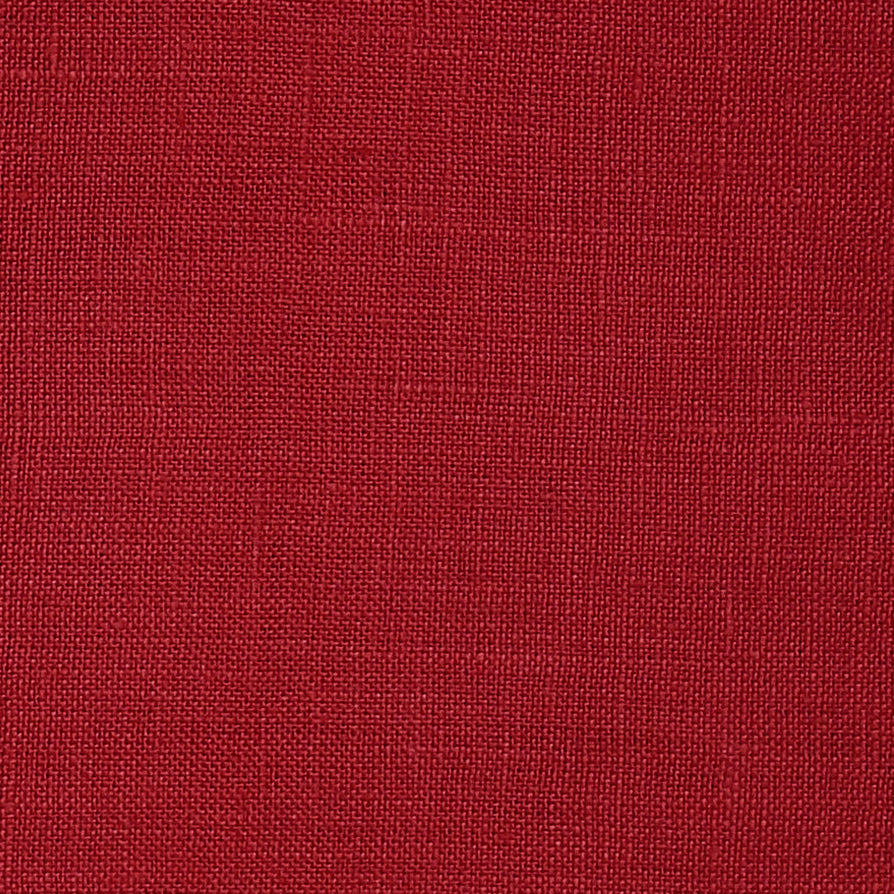
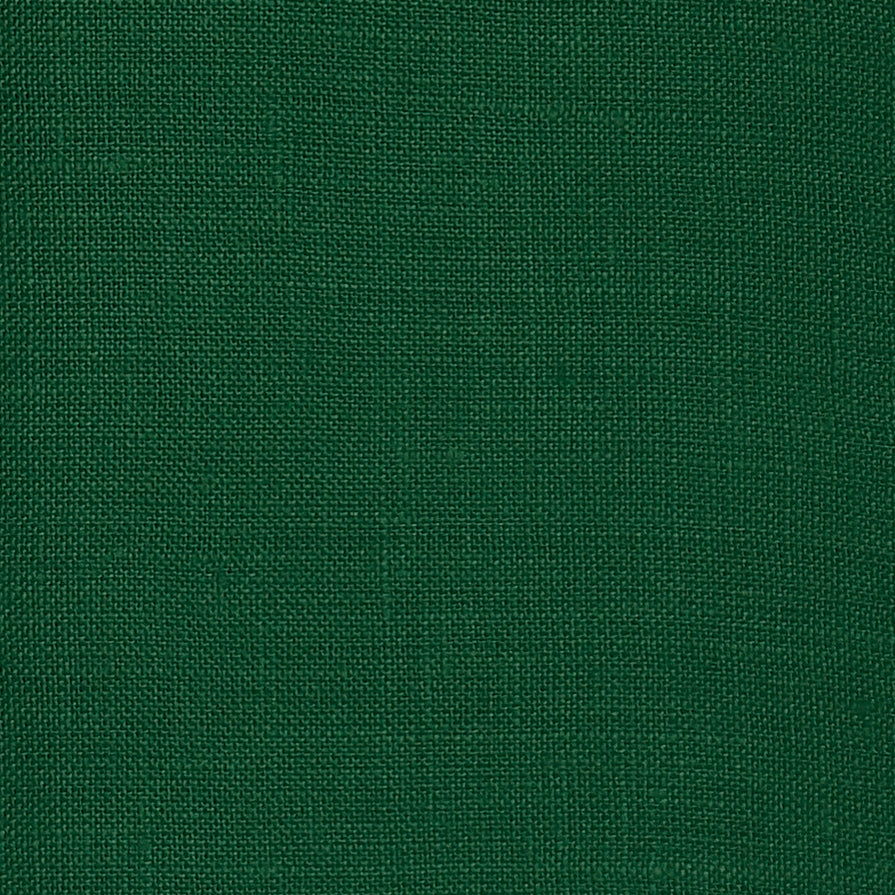


Linen is made to be used, enjoyed and lived with. A tablecloth that has hosted memorable dinners, napkins that have been folded again and again, or a runner brought out for special occasions can become even more beautiful with time. As linen is used and washed, the fibers naturally soften and the fabric develops a more relaxed character. Caring for linen is therefore not about keeping it looking untouched, but about washing, drying and storing it properly so it continues to look beautiful every time it returns to the table.

Wash Linen Gently
Linen does not need complicated care. A gentle wash is usually enough to keep tablecloths, runners, napkins and placemats looking fresh. Wash linen separately using cold water and a gentle cycle. Both machine washing and hand washing are suitable, depending on the piece and its care label. Use a mild detergent and avoid overloading the washing machine so the fabric has enough room to move and rinse properly.

Do not use bleach, as it can weaken natural linen fibers and may affect the color of the fabric. Fabric softener is also generally unnecessary because linen naturally becomes softer with repeated use and washing. For darker or richer colors, washing pieces separately is particularly helpful in maintaining their appearance over time.
Dry Linen with Care
Linen can be tumble dried on a low setting, hung to dry or laid flat to dry. If using a dryer, choose low heat and remove the linen while it is still slightly damp. Overdrying can make the fabric feel stiffer and may create deeper creases.
Air drying is another gentle option. After washing, shake the linen out and smooth the fabric and edges while it is still damp. This helps reduce strong creases and makes ironing easier if you prefer a more polished finish. When drying colored linen outdoors, avoid leaving it in strong direct sunlight for long periods, as prolonged exposure may gradually affect the color.

Iron While Damp for Best Results
Linen naturally has a relaxed texture, so ironing is largely a matter of personal preference. A lightly wrinkled tablecloth or napkin can feel casual and elegant, while a more formal table may call for a smoother finish.

For best results, iron linen while it is still slightly damp and use a low heat setting. This makes it easier to smooth the fabric without applying excessive heat. Always check the individual care label before ironing, especially when a piece includes decorative stitching, embroidery or other special details.
Care for Each Piece According to How It Is Used
Different table linens experience different kinds of wear. Tablecloths, for example, are larger and can develop deeper creases during washing, so it helps to treat stains first, wash them separately and remove them promptly once the wash cycle ends. Shaking the cloth out and smoothing the edges while it is damp can make a noticeable difference to the final appearance.

Napkins are often washed more frequently, making gentle care particularly important. Keep them away from garments or household items with zippers, hooks or rough surfaces that may snag the fabric. They can be lightly ironed while damp for a crisp place setting or simply smoothed and left with their natural texture for a more relaxed look.

Table runners and placemats benefit from similar attention to shape. Because they sit flat on the table and their edges remain visible, smoothing them while damp helps keep hems and corners looking neat. A light press can also help restore a cleaner finish, particularly when there is decorative stitching or a defined border.

Dry Cleaning When Needed
Professional dry cleaning can also be suitable for linen when required. The care instructions allow dry cleaning with appropriate solvents, excluding trichloroethylene. If you choose to dry clean your table linens, always follow the care label attached to the piece and share those instructions with the cleaner.

For most everyday table linens, however, gentle washing in cold water is usually sufficient and helps maintain linen's natural texture and softness.
Store Linen Properly
Table linens should always be completely clean and dry before they are stored. Even small traces of food or oil can become more noticeable over time, while moisture can lead to unwanted odors or mildew. A cool, dry cupboard or drawer is usually the best place for storage, ideally somewhere that allows the natural fibers to breathe rather than keeping them tightly sealed in plastic for long periods.

Larger tablecloths and runners can be folded loosely. If they are stored for several months, changing the fold lines occasionally can help reduce deep permanent creases. Rolling larger pieces is another useful option when you want to minimize fold marks.
Let Linen Age Naturally
One of linen's most distinctive qualities is the way it changes with use. Over time, the fibers become softer, the fabric relaxes and the texture develops a natural, lived-in character. Proper care does not stop this process; it simply allows linen to age beautifully.
That is why linen should never feel too precious to use. Tablecloths are meant for dinners, runners for celebrations and napkins for everyday moments around the table. With gentle washing, careful drying and proper storage, your table linens can continue to look beautiful while becoming softer and more characterful with every use.